
Sep 30, 2026Technology
Wastewater Treatment: Primary, Secondary and Tertiary
A plain-language guide to the three stages of wastewater treatment and what each one removes.
Insights
Reference projects, technology deep-dives and market insights on small-scale waste-to-energy.
A plain-language guide to the three stages of wastewater treatment and what each one removes.
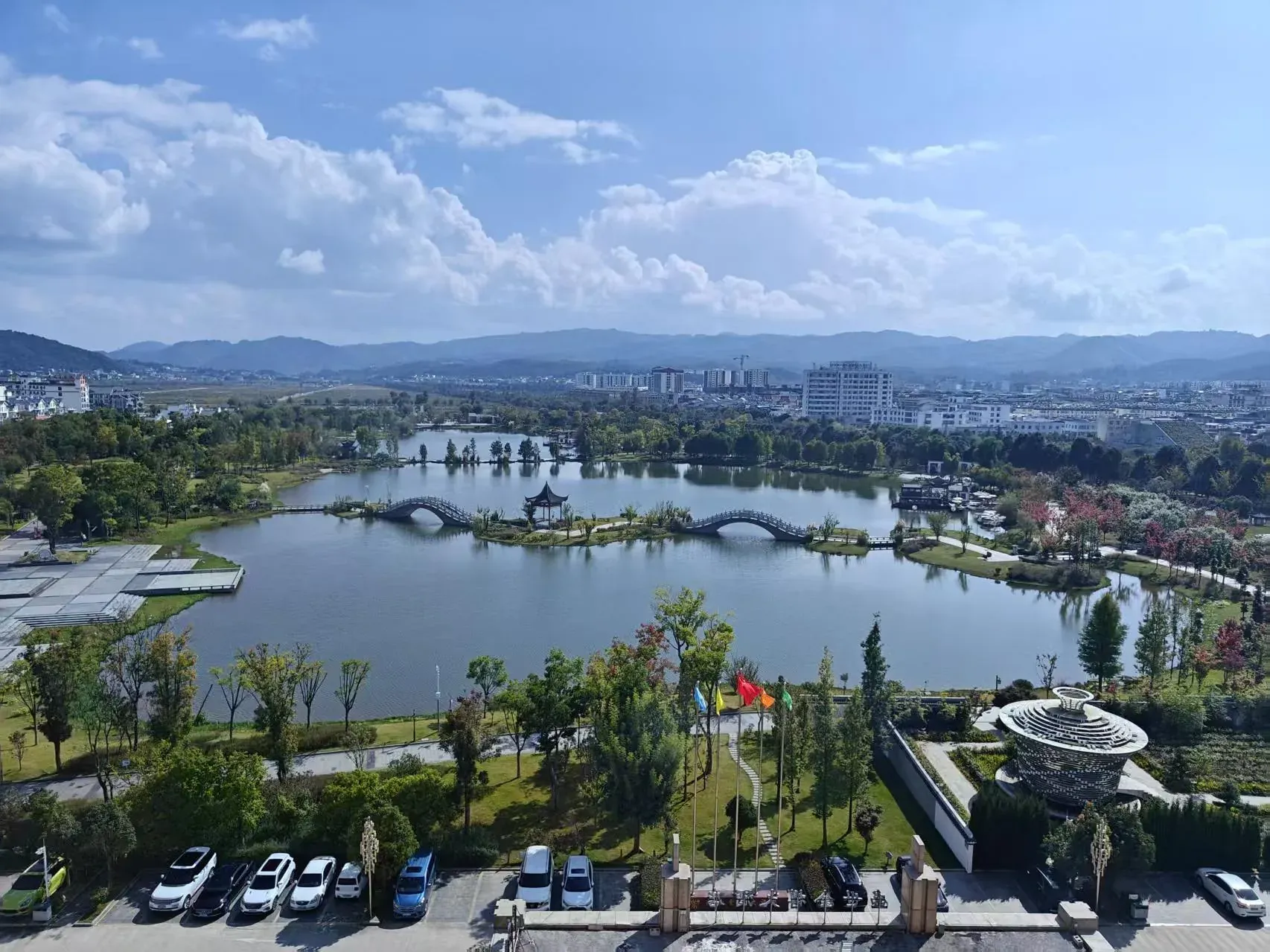
The difference between leachate and wastewater, how each forms, and how they are treated in waste and water management.
The drivers behind modular waste-to-energy growth in county-level and emerging markets across Africa, Southeast Asia and Oceania.
How a complete waste-to-energy system covers waste collection, transport, incineration and resource recovery.
How waste-to-energy plants recover both heat and power, using waste heat boilers to produce steam for heating, drying and disinfection.
Why fly ash forms in waste incineration and how source-end flue gas treatment reduces its output.
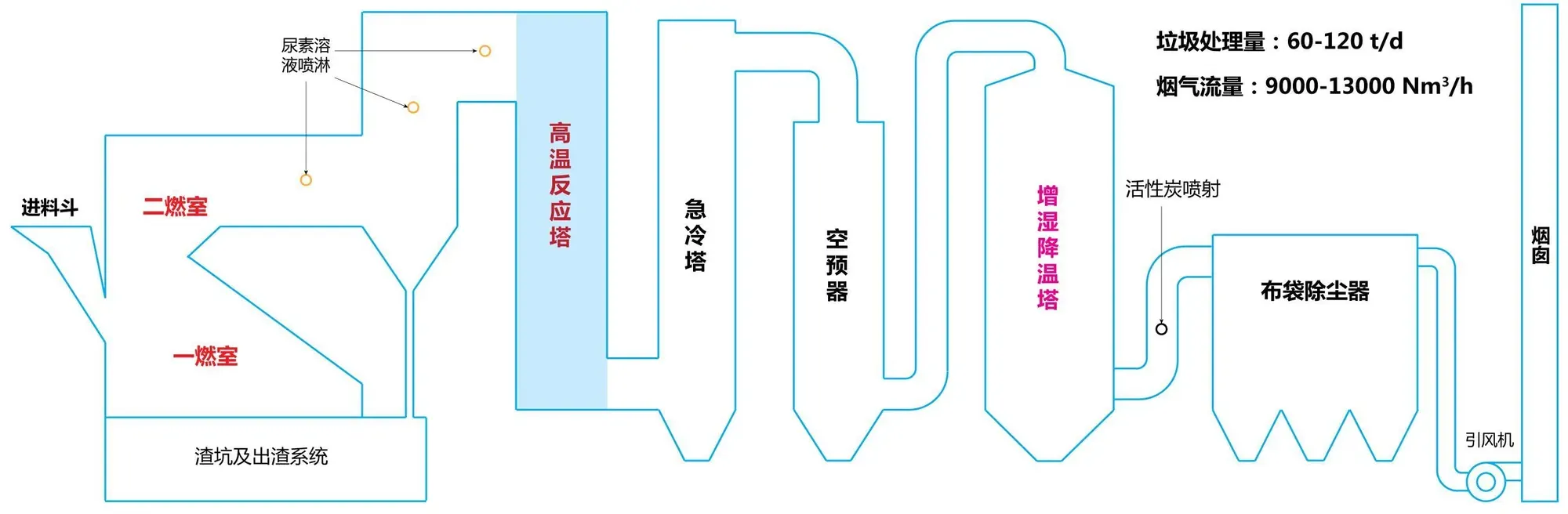
A step-by-step walkthrough of how waste moves through combustion, flue gas treatment and resource recovery.
How modern waste incinerators control dioxins, SO2 and HCl to meet emission standards.
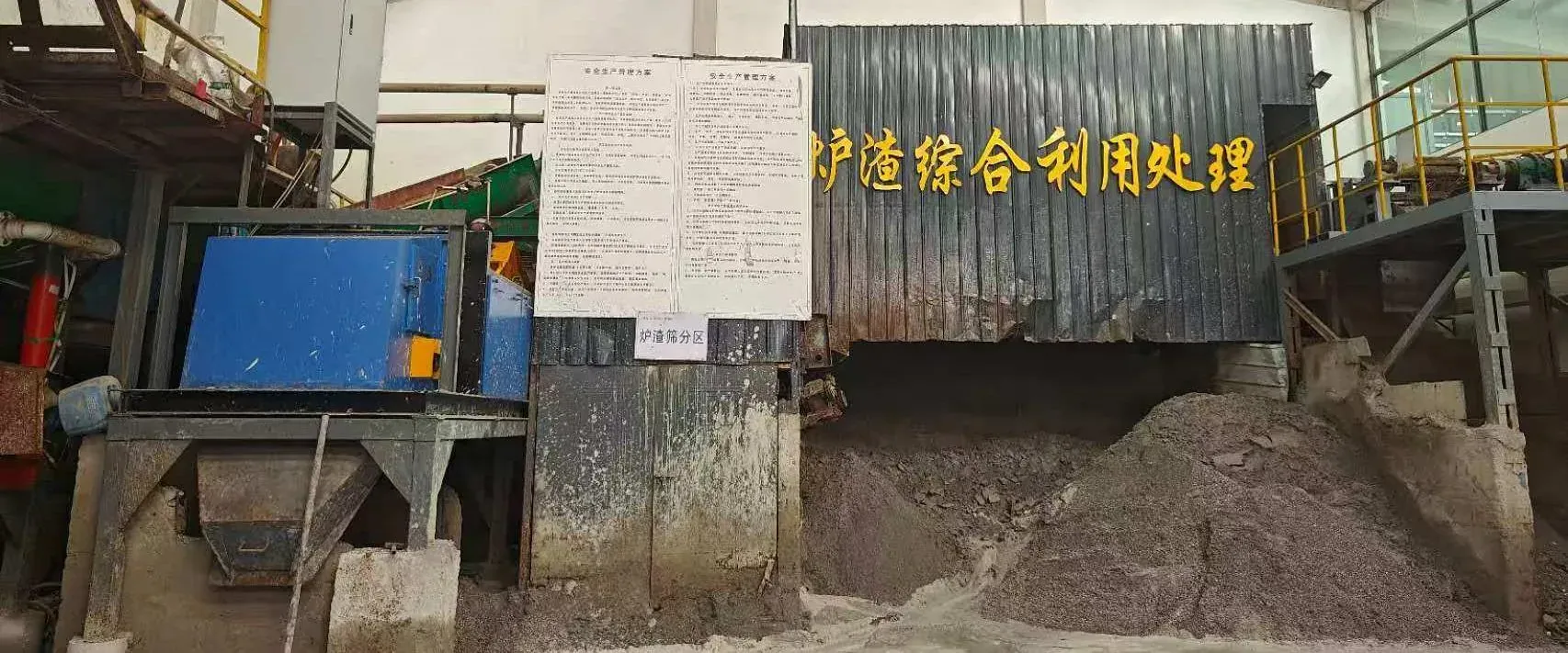
The difference between fly ash and bottom ash in waste incineration, and how each is treated or recovered.
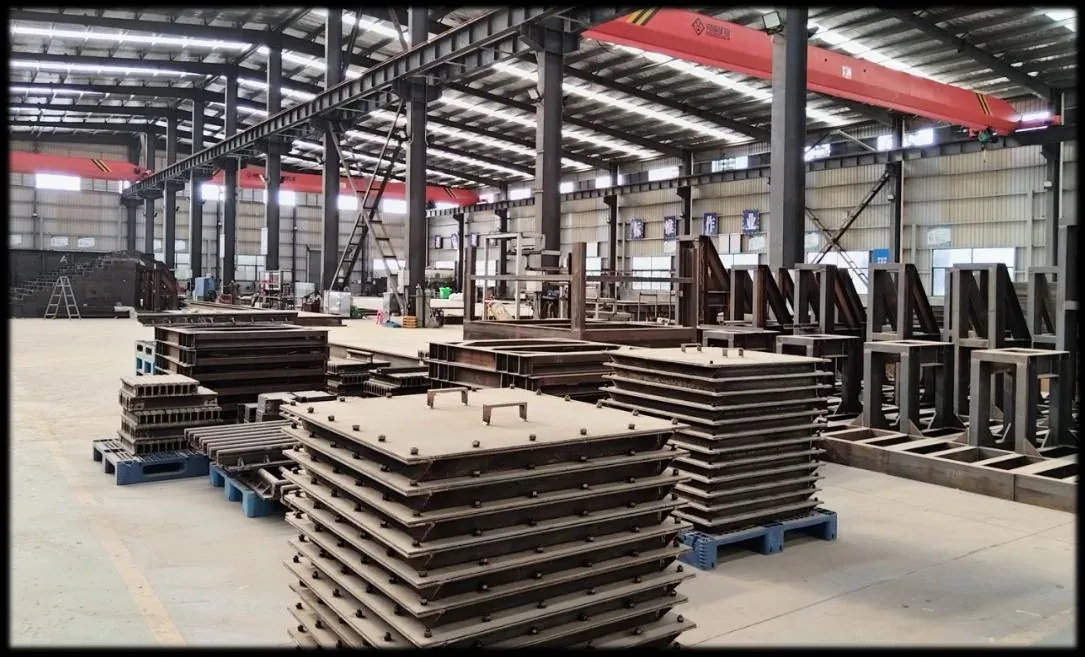
How sludge is incinerated and co-incinerated with municipal solid waste to reduce volume and recover energy.
Recommended products
Small-scale waste-to-energy systems and equipment featured across our catalog.
Small-scale waste-to-energy plant for 50-300 tons/day municipal solid waste, combining a three-stage mechanical grate furnace with HRDS flue gas treatment for county-level markets in China and overseas.
Modular three-stage mechanical reciprocating grate furnace for modular waste-to-energy, 50-300 tons/day, designed for high-moisture rural waste and backed by 50+ patents.
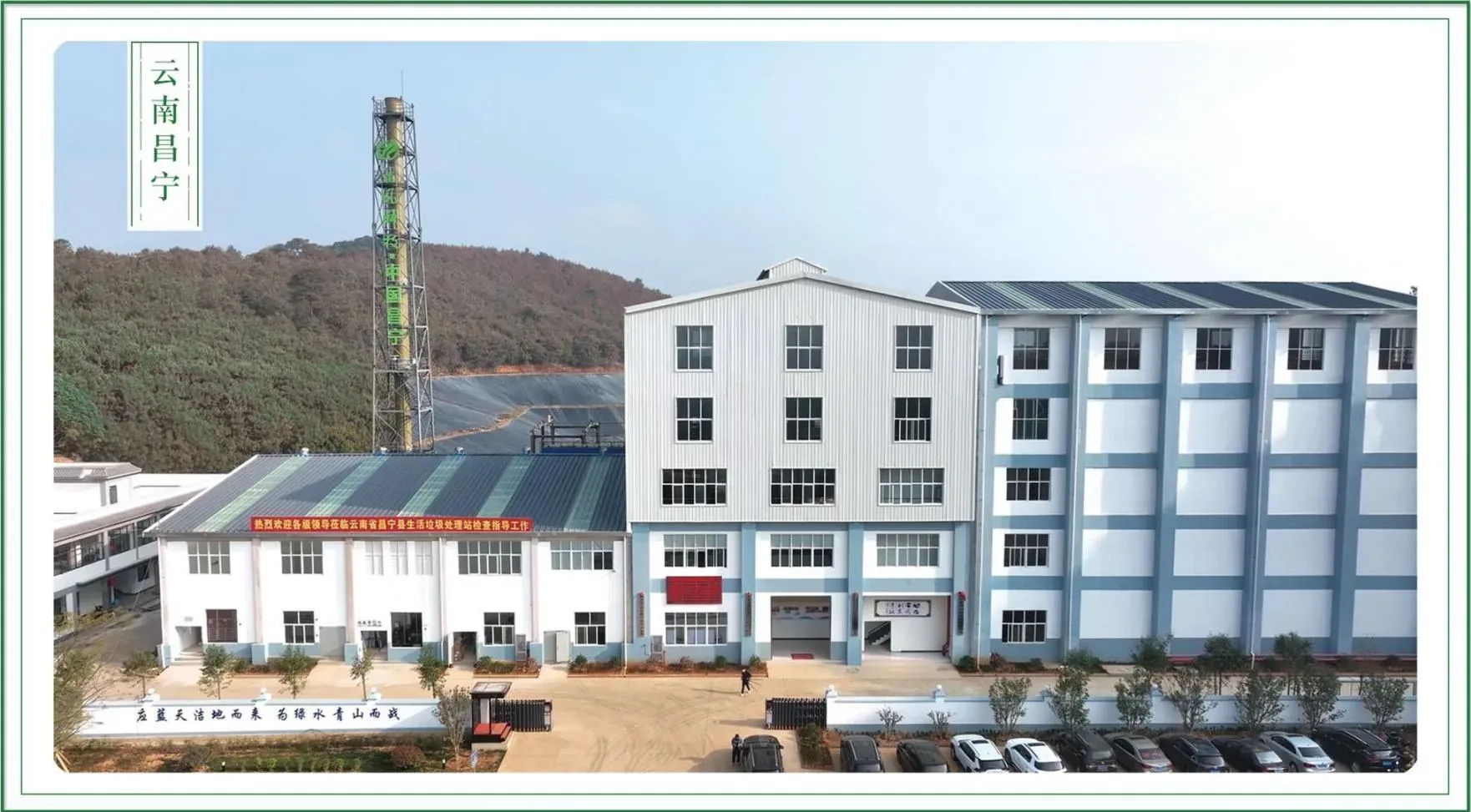
Turnkey EPC and O&M services for modular waste-to-energy projects, covering planning, design, equipment, construction, commissioning and operations.